TL;DR: Leadership growth doesn’t happen by accident. It requires time to reflect, a willingness to learn, and the support to see situations from new perspectives. Executive coaching helps leaders strengthen self-awareness, improve communication, make better decisions, and develop the confidence to lead through change. As leaders grow, so do their teams, creating stronger organizations that are better prepared for the future.
Leadership is rewarding, but it is rarely simple.
As responsibilities grow, so does the complexity of the role. Leaders are expected to make difficult decisions, support their teams, navigate change, and keep the organization moving forward, often while balancing competing priorities and limited time. It’s no surprise that even experienced leaders occasionally wonder whether they’re approaching a situation in the best way.
One of the things I’ve learned from working with leaders is that the strongest leaders aren’t the ones who have all the answers. They’re the ones who remain curious, seek feedback, and are willing to continue learning. They understand that leadership is a skill that develops over time, not a destination that’s eventually reached.
That’s why executive coaching can be so valuable. It isn’t about fixing weaknesses or telling leaders what to do. It’s about creating the time and space to think more clearly, work through challenges, and become more intentional in how we lead.
What Is Executive Coaching?
Executive coaching is a collaborative partnership focused on helping leaders grow.
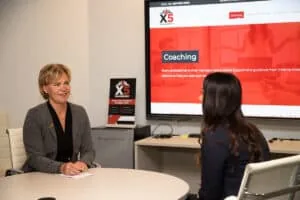
Rather than providing quick answers or a prescribed solution, an executive coach helps leaders explore challenges, gain perspective, ask better questions, and make decisions with greater confidence. Coaching combines thoughtful conversation with practical leadership experience, allowing leaders to work through real situations in a confidential and supportive environment.
At X5 Management, coaching is grounded in the everyday realities of leadership. One conversation might focus on preparing for a difficult performance discussion. Another may explore how to delegate more effectively, build trust within a leadership team, or navigate a period of organizational change. Every coaching relationship is different because every leader faces different opportunities and challenges.
How Executive Coaching Helps Leaders Grow
While every coaching relationship is unique, there are several areas where leaders consistently experience growth.
Developing Greater Self-Awareness
Self-awareness is one of the strongest predictors of leadership effectiveness, yet it can be surprisingly difficult to develop on our own.
Leadership moves quickly, and many leaders spend so much time solving problems that they rarely have the opportunity to step back and reflect on how their behaviours, decisions, and communication affect others. Coaching creates that opportunity. It helps leaders recognize patterns, identify blind spots, and better understand both their strengths and the areas they want to continue developing.
As leaders become more self-aware, they often become more adaptable, more receptive to feedback, and more intentional in how they lead others.
Strengthening Communication and Relationships
Many leadership challenges begin with communication.
Whether it’s providing constructive feedback, navigating conflict, communicating change, or building alignment across a team, leaders are constantly having conversations that influence trust and performance.
Executive coaching gives leaders the opportunity to prepare for those conversations, reflect on how they unfolded, and consider different approaches. Over time, leaders become more confident communicators who are better equipped to listen, ask thoughtful questions, and create an environment where people feel heard and valued.
Improving Decision-Making and Strategic Thinking
Leadership often requires making important decisions without having all the information you would like.
Coaching provides dedicated time to think through complex situations before acting. Leaders can explore different perspectives, challenge assumptions, evaluate potential risks, and consider the long-term impact of their decisions rather than simply reacting to immediate pressures.
Many leaders tell me that one of the greatest benefits of coaching is simply having uninterrupted time to think. In today’s fast-paced environment, that space for reflection is often difficult to find but incredibly valuable.
Developing Others Through Leadership
One of the biggest transitions leaders face is moving from being the person who solves problems to becoming the person who develops others to solve them.
That shift isn’t always easy. It can feel quicker to handle a task yourself than to coach someone else through it. However, leaders who continue to do everything themselves eventually limit both their own effectiveness and the growth of their teams.
Executive coaching helps leaders become more comfortable delegating meaningful responsibility, coaching employees through challenges, and creating opportunities for others to grow. As a result, teams become more capable, leaders become more strategic, and organizations build greater leadership capacity over time.
The Organizational Impact of Executive Coaching
Although coaching focuses on individual leaders, the benefits extend throughout the organization.
As leaders become more effective, their teams often experience greater clarity, stronger relationships, and increased confidence. Over time, organizations frequently see improvements such as:
- Stronger communication across teams.
- Greater employee engagement and trust.
- Improved delegation and accountability.
- Better decision-making at every level.
- Increased collaboration and problem-solving.
- More confident and capable leaders.
- Greater leadership capacity throughout the organization.
- Better preparation for future leadership transitions.
Executive coaching is one of the few leadership development investments that creates a ripple effect. As one leader grows, the people around them often grow as well.
Coaching Supports Leadership Continuity
Leadership continuity doesn’t begin when someone announces their retirement or accepts another opportunity. It begins years earlier by intentionally developing leaders at every level of the organization.
When leaders learn how to coach others, delegate effectively, and create opportunities for growth, they strengthen the organization’s leadership pipeline. Future leaders gain valuable experience, teams become less dependent on one individual, and organizations are better prepared to navigate growth, change, and succession.
That’s one of the reasons leadership development and leadership continuity are so closely connected. Organizations that invest in developing leaders today are far better positioned to manage tomorrow’s transitions.
Is Executive Coaching Right for You?
Executive coaching can provide value at every stage of a leadership career. It may be worth considering if you are:
- Taking on a new leadership role.
- Leading a larger or more complex team.
- Preparing for executive responsibilities.
- Navigating organizational change.
- Looking to improve communication and influence.
- Developing future leaders within your organization.
- Preparing for succession or leadership continuity.
- Simply committed to becoming a more effective leader.
The leaders who benefit most from coaching aren’t defined by their title or years of experience. They’re defined by their willingness to continue learning.
Leadership Growth Is a Long-Term Investment
One of the things I enjoy most about working with leaders is seeing how small changes often lead to significant results over time. A leader who becomes a better listener strengthens trust within their team. A leader who delegates more effectively creates opportunities for others to grow. A leader who communicates with greater clarity builds stronger alignment across the organization.
Leadership development rarely happens all at once. It happens through reflection, experience, honest conversations, and a commitment to continuous improvement.
Executive coaching creates the space for that growth to happen. While every coaching conversation begins with one leader, the impact often extends much further, strengthening teams, developing future leaders, and helping organizations build the leadership depth they need for long-term success.
About the Author
Kris Schinke is Vice President of Integration at X5 Management. She works with leaders and organizations to strengthen leadership capability through executive coaching, leadership development, strategic facilitation, and organizational alignment. Kris is passionate about helping leaders grow with confidence, build stronger teams, and create workplace cultures where people and organizations thrive.
Exclusive Insights for Growth—Join Our Newsletter!