
A practical framework for developing stronger leaders at every level of your organization
What does an effective leader need to be able to do?
The answer changes as responsibilities grow, but strong leadership development goes beyond learning a handful of management skills. Leaders need to understand themselves, build strong relationships, develop others, make sound decisions, and create results across their organization.
The X5 Leadership Development Competency Framework provides a practical roadmap for that development.
It organizes leadership development into three areas:
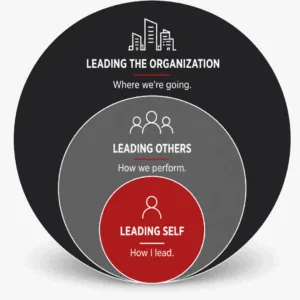
Leading Self: How do I manage myself?
Leading Others: How do I impact others?
Leading Teams & the Organization: How do I create results?
Together, these competencies help leaders and organizations identify strengths, uncover development priorities, and create more focused leadership development plans.
What Are Leadership Competencies?
Leadership competencies are the behaviours, skills, and capabilities that help someone lead effectively.
They provide a common way to talk about leadership development. Rather than simply asking someone to “become a better leader,” competencies help identify what effective leadership looks like and where development would have the greatest impact.
At X5, we use our Leadership Development Competencies as a roadmap rather than a checklist.
Every leader brings different strengths, experiences, and challenges to their role. The goal isn’t to develop every competency at once. It’s to identify the areas that matter most based on the leader’s role, responsibilities, goals, and opportunities for growth.
The Three Areas of Leadership Development
Our framework looks at leadership through three connected areas.
As a leader’s responsibilities grow, their focus often expands from managing themselves, to achieving results through other people, to creating alignment and results across teams and the broader organization.
Leading Self
How do I manage myself?
Effective leadership starts with self-awareness and personal accountability. This area focuses on how you manage yourself, make decisions, respond to challenges, and continue to grow as a leader.
The way you lead yourself influences how others experience and follow your leadership.
Self-Awareness & Reflection
Understands personal strengths, limitations, behaviours, and impact on others. Takes time to reflect, learn from experiences, and adjust when needed.
Emotional Intelligence & Self-Regulation
Recognizes and manages emotions effectively, especially under pressure. Responds thoughtfully rather than reacting impulsively.
Personal Accountability & Integrity
Takes ownership of actions, decisions, and outcomes. Acts consistently with values and follows through on commitments.
Discipline and Focus
Maintains priorities, manages time effectively, and stays focused on what matters most. Demonstrates consistency and reliability in execution.
Growth Mindset, Resilience & Learning
Approaches challenges as opportunities to learn and improve. Recovers from setbacks and remains open to feedback and development.
Values Alignment
Makes decisions and behaves in ways that align with personal and organizational values. Demonstrates authenticity and consistency in leadership.
Well-Being, Harmony and Sustainable Performance
Manages energy, workload, and stress in a way that supports long-term effectiveness. Creates healthy boundaries and sustainable work habits.
Critical Thinking & Sound Judgement
Evaluates information thoughtfully, considers different perspectives, and makes balanced decisions. Uses logic, insight, and experience to guide actions.
Leading Others
How do I impact others?
Leadership happens through people.
This area focuses on how you communicate, build trust, develop others, create accountability, and help people perform at their best. Strong leaders create environments where individuals and teams can succeed.
Communication & Clarity
Communicates ideas, expectations, and feedback clearly and effectively. Ensures others understand priorities, direction, and next steps.
Building & Sustaining Trust
Develops credibility through consistency, honesty, and follow-through. Creates relationships where people feel respected, supported, and safe to contribute.
Coaching & Developing Others
Helps others build confidence, capability, and performance through coaching, feedback, support, and meaningful development opportunities.
Conflict Resolution & Constructive Negotiation
Addresses conflict directly and respectfully to find productive solutions. Navigates difficult conversations while maintaining relationships and accountability.
Performance Management & Accountability
Sets clear expectations and addresses performance issues in a timely way. Holds self and others accountable for commitments and results.
Driving Results Through Others
Creates alignment, clarity, and momentum so teams can execute effectively. Delegates appropriately and supports others in achieving outcomes.
Motivating and Inspiring Others
Encourages engagement, commitment, and a sense of purpose. Helps others feel valued and connected to the larger goal.
Empathy & Inclusion
Demonstrates understanding of different perspectives and experiences. Creates an environment where people feel heard, respected, and included.
Leading Teams & the Organization
How do I create results?
As leaders take on greater responsibility, their impact extends beyond individuals and teams.
This area focuses on creating alignment, setting direction, navigating complexity, and ensuring people, resources, and priorities are working together to achieve organizational goals.
Collaboration and Cross-Functional Integration
Works effectively across teams, departments, and perspectives to achieve shared goals. Breaks down silos and encourages collaboration.
Vision & Strategic Direction
Provides clear direction and aligns efforts to long-term priorities. Helps others understand where the organization is going and why.
Resource Alignment & Organizational Prioritization
Allocates time, people, and resources effectively to support key priorities. Makes decisions that balance competing demands and organizational needs.
Culture and Organizational Trust
Contributes to a culture built on trust, accountability, and shared values. Reinforces behaviours that strengthen engagement and organizational health.
Change Management & Adaptability
Helps people navigate change with clarity and stability. Remains flexible and responsive in evolving situations.
Empowerment, Delegation & Decision Enablement
Creates clarity and authority so others can make decisions confidently. Delegates responsibility effectively while maintaining accountability.
Leading in Misalignment & Complexity
Navigates uncertainty, competing priorities, and differing perspectives effectively. Helps move teams forward even when situations are unclear or challenging.
Organizational Savvy & Systems Awareness
Understands how decisions, relationships, and processes impact the broader organization. Recognizes patterns, interdependencies, and organizational dynamics.
How Can a Leadership Competency Framework Be Used?
A leadership competency framework creates a common language for talking about what effective leadership looks like and where development is needed.
Organizations can use the X5 framework to support:
Leadership Development Coaching
Identify the competencies that will have the greatest impact on an individual leader and create focus for ongoing coaching.
Leadership Development Planning
Help managers and employees have clearer conversations about strengths, development priorities, and next steps.
Emerging and High-Potential Leaders
Identify the capabilities someone will need as they prepare for greater leadership responsibility.
Leadership Training
Determine where a group of leaders would benefit from shared learning and development.
Leadership Continuity & Succession Planning
Consider whether potential successors have the leadership capabilities required for future roles and where further development may be needed.
The framework isn’t intended to suggest that every leader should demonstrate every competency in exactly the same way. The competencies that matter most will depend on the individual’s role, responsibilities, and the needs of their organization.
How X5 Uses the Framework in Leadership Development Coaching
Our Leadership Development Coaching program is personalized to the individual rather than built around a fixed curriculum.
We begin by understanding the leader, their role, current challenges, strengths, and development opportunities. The competency framework helps create a shared understanding of where focused development can have the greatest impact.
From there, coaching conversations are shaped by the leader’s real-world experiences.
That might mean preparing for a difficult conversation, improving delegation, building confidence as a new manager, developing stronger strategic thinking, navigating competing priorities, or preparing for greater leadership responsibility.
The framework provides structure. The leader’s needs determine where we focus.
LEARN ABOUT LEADERSHIP DEVELOPMENT COACHING →
Where Should Leadership Development Start?
Not with all 24 competencies at once.
A useful starting point is to ask:
- What does this leader need to be successful in their role today?
- What will they need as their responsibilities grow?
- Where would a change in behaviour or capability have the greatest impact?
Those questions help turn a broad leadership framework into a focused development plan.
If you’re looking at the development needs of an individual leader or a broader leadership team, X5 can help you identify the areas that matter most and determine the right approach to developing them.
TALK TO US ABOUT YOUR LEADERSHIP DEVELOPMENT NEEDS →